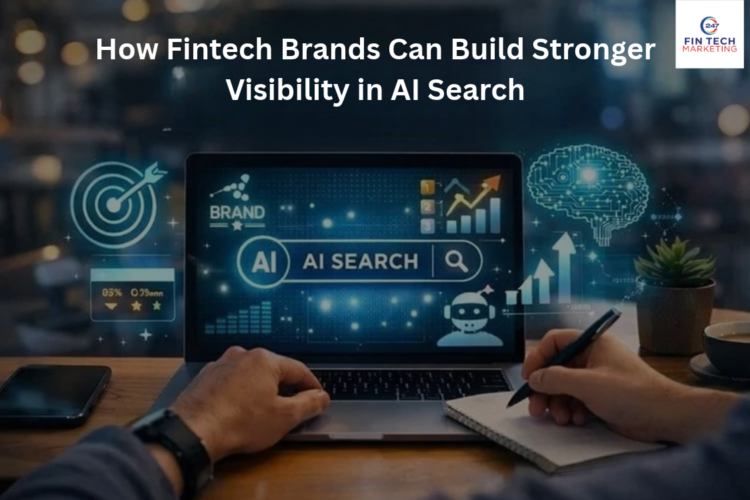




The way customers discover financial services is changing rapidly. People are no longer relying only on traditional Google searches to find digital banking platforms, payment providers, lending solutions, and financial technology products. AI-powered search engines and conversational assistants are changing how users research financial brands, compare services, and make informed decisions.
For fintech businesses, this shift creates a new challenge: being visible online is no longer just about ranking for relevant keywords. Search engines and AI systems also need to understand what a company does, which financial services it provides, and why its information deserves attention. A Fintech Marketing Agency can help businesses address this challenge by combining technical SEO, structured data, useful content, and a consistent digital brand identity.
Two important elements of this strategy are schema markup and knowledge graphs. When implemented correctly, they help organize information about financial entities and make relationships between companies, products, and services easier to understand.
Why Schema Markup Matters for Fintech Businesses
Schema markup is structured data that describes webpage content in a format search engine can interpret. It uses vocabulary from Schema.org to explain whether a page represents an organization, product, service, article, or another type of entity.
For fintech companies, this is particularly useful because financial services often involve complex products, technical terminology, and multiple business relationships. A payment processing platform, for example, may serve e-commerce businesses, integrate with accounting software, and support transactions across different markets.
Without clear information, search systems may struggle to distinguish the platform from similarly named businesses or understand its specific capabilities.
Structured data helps communicate these details more clearly. Although schema markup does not guarantee higher rankings or AI-generated citations, it supports a stronger technical foundation for search visibility.
Important Schema Types for Financial Entities
Fintech websites should use structured data that accurately reflects their business and page content.
Organization schema: Identifies the company behind the website. Useful properties include its name, URL, logo, contact information, and verified social profiles.
Financial Service schema: May be suitable for businesses that genuinely fall within the relevant financial services category. Fintech software providers should not automatically classify themselves as banks or financial institutions.
Product schema: Can describe eligible financial software products, including platforms for payment processing, reporting, or reconciliation.
Service schema: Helps describe genuine services, such as payment integration, financial technology consulting, or software implementation.
Article schema: Provides information about educational articles, their headlines, authors, and publishers.
Breadcrumb List schema: Describes the relationship between a webpage and its position within the website hierarchy.
How Knowledge Graphs Help Search Engines Understand Fintech Brands
A knowledge graph represents entities and the relationships between them. These entities can include companies, products, services, people, and industry concepts.
Imagine a fintech company that offers automated payment reconciliation. Its website explains the product, publishes educational articles about payment operations, introduces its leadership team, and documents its software integrations.
When these pages are connected through meaningful internal links and consistent business information, they create a clearer picture of the company’s expertise and offerings.
Schema markup can reinforce these relationships by identifying the company, product, and relevant content. However, adding structured data does not guarantee that Google or an AI platform will create a knowledge panel or include the brand in a generated answer.
Practical Ways to Strengthen Entity Recognition
Start by establishing a consistent identity across your digital presence.
- Use the same official company name and primary website URL across important pages.
- Create dedicated pages for major products and services.
- Explain product capabilities, intended audiences, integrations, and limitations.
- Link relevant educational articles to the products or services they discuss.
- Keep company descriptions accurate across professional profiles and legitimate business directories.
- Use stable entity identifiers, such as an organization id, where appropriate.
These steps help build a coherent digital footprint rather than leaving search engines to interpret disconnected pieces of information.
Implementing Schema Markup: A Practical Approach
A successful implementation begins with accurate information, not simply adding code to every page.
1. Start With Organization Schema
Organization schema helps search engines identify the company behind a website. It can include the official business name, website URL, logo, contact information, and verified social media profiles.
Ensure these details match the information displayed on your website and other trusted business profiles. Consistency helps establish a clearer digital identity.
2. Connect Products with Their Provider
Where appropriate, product and service pages should identify the organization responsible for the offering. Use valid Schema.org properties to describe genuine relationships.
For example, a financial reporting platform can have its own dedicated page, with links to the company behind it and relevant documentation explaining its functionality.
This creates a clearer structure for users and search systems while helping maintain consistency across the website.
3. Validate the Implementation
Use the Schema Markup Validator to check the vocabulary and structure of your markup. Google’s Rich Results Test can identify eligibility issues for supported rich-result features.
Google Search Console can then help monitor indexing, organic search performance, and applicable structured data reports.
Remember that valid schema does not automatically qualify a webpage for enhanced search results. Every implementation should follow the relevant search engine guidelines.
The Role of Content and Social Media in Fintech Entity Building
Technical SEO is only one part of the process. Financial brands also need useful content and a credible online presence to communicate their expertise.
Publish educational resources that answer real customer questions about payment security, lending technology, financial automation, compliance requirements, and digital banking. Use clear explanations, qualified authors, and reliable references wherever appropriate.
Your content should explain complex financial concepts without making unsupported promises about performance, security, or regulatory approval.
Social media can help distribute these resources and bring the brand’s expertise to relevant professional audiences. Fintech Social Media Marketing can support this process through educational posts, product demonstrations, expert commentary, customer stories, and discussions about developments in financial technology.
For example, a company offering payment automation software might publish a detailed guide on its website, share practical insights on LinkedIn, and use a short demonstration video to explain the product’s benefits.
These activities can increase awareness and create opportunities for genuine engagement. Social media activity alone, however, does not guarantee improved knowledge graph visibility or AI search citations.
The priority should be consistency: the company’s website, published content, and external profiles should communicate the same underlying facts.
Building Trust Through Accurate Financial Information
Trust is especially important in financial services. Customers want to know whether a provider understands their needs, protects sensitive information, and can deliver the services it advertises.
This is where responsible communication and AI governance become relevant.
EY’s discussion of AI assurance emphasizes the importance of governance, transparency, and appropriate controls when organizations adopt AI technologies. Fintech companies can apply similar principles to their marketing by making product information clear, documenting relevant processes, and supporting important claims with credible evidence.
Practical steps include:
- Keep company and product information current.
- Identify authors and qualified reviewers for financial educational content.
- Explain relevant security practices without overstating capabilities.
- Publish genuine certifications and regulatory information where applicable.
- Correct inaccurate information across the website and business profiles.
- Review structured data whenever important business details change.
Accurate communication strengthens the customer experience and provides search systems with more consistent information to interpret.
Measuring Schema and AI Search Performance
Fintech marketers should establish clear benchmarks before making technical changes. This helps distinguish improvements in implementation from actual business results.
Track the following indicators:
Technical health: Monitor schema errors, valid markup coverage, canonical URLs, and indexing issues.
Organic visibility: Measure impressions, clicks, branded search demand, and qualified traffic to important product pages.
Content performance: Evaluate engagement with educational articles, product documentation, and service pages.
Lead quality: Track demo requests, consultations, applications, and other meaningful conversions.
AI search visibility: Where reliable measurement is available, monitor brand mentions, citations, referral traffic, and the accuracy of descriptions generated by AI search platforms.
AI-generated results can vary by platform, query, and time. Treat these measurements as useful indicators rather than a single definitive ranking metric.
Choosing the Right SEO and AI Search Partner
Fintech companies may need specialist support when technical SEO, content strategy, entity optimization, and AI-search visibility become difficult to manage internally.
When evaluating AEO Agencies for Fintech Companies, look for a team that understands both financial industry requirements and the technical foundations of search. Ask how it audits structured data, identifies entity relationships, improves content quality, measures results, and handles inaccurate or unsupported claims.
A reliable partner should provide a clear roadmap, measurable objectives, and transparent reporting. Be cautious of promises that schema alone will guarantee AI citations, featured placements, or immediate ranking improvements.
The strongest approach connects technical implementation with useful content, accurate business information, and qualified lead generation.
Conclusion
Schema markup and knowledge graphs are becoming important considerations for fintech companies adapting to AI-powered search. They help organize information about financial organizations, products, services, and expertise, making it easier to communicate a consistent digital identity.
However, lasting visibility requires more than structured data. Fintech brands should combine technically sound websites with useful educational content, credible external references, accurate business profiles, and ongoing performance measurement.
By focusing on clarity, trust, and meaningful relationships between digital entities, fintech businesses can build a stronger foundation for organic discovery and customer engagement.
As search continues to evolve, the goal is not simply to help algorithms recognize a brand. It is to make the company’s expertise and value clear to the people who need its services.