




The way people buy insurance has changed. Instead of relying entirely on agents or recommendations from friends, customers now research coverage, compare premiums, read reviews, and request quotes online. For InsurTech companies, this shift creates an opportunity to connect with potential policyholders at the exact moment they need coverage.
However, attracting website visitors is only part of the challenge. The real goal is to reach people who are actively considering insurance and guide them toward a completed quote or policy purchase. Working with a Fintech Marketing Agency that understands search behavior, customer journeys, and conversion tracking can help insurance technology businesses develop a more focused acquisition strategy.
By combining local search engine optimization (SEO) with intent-based keyword targeting, InsurTech brands can improve their visibility, build customer trust, and generate more qualified leads without relying entirely on paid advertising.
Understanding the Modern Insurance Buyer’s Search Journey
Insurance customers rarely decide after a single search. Someone looking for health insurance might begin by researching coverage options, comparing different plans later, and finally searching for a provider offering suitable benefits.
Understanding these stages helps marketers create content that answers the right questions.
Three common types of search intent are particularly valuable:
- Informational intent: Users want to understand insurance terms, benefits, exclusions, or eligibility requirements.
- Commercial intent: Users compare providers, evaluate policy options, or look for customer reviews.
- Transactional intent: Users are ready to request a quote, speak with an advisor, or purchase coverage.
For example, a person searching for “what does business liability insurance cover” may need educational content. Someone searching for “business insurance quotes in Chicago” is likely closer to contacting a provider.
InsurTech marketers should create dedicated pages for these different needs rather than sending every visitor to a generic homepage. This approach makes the customer journey more relevant and helps potential buyers move forward with confidence.
How Local SEO Helps InsurTech Companies Attract Qualified Leads
Local SEO improves a company’s visibility when customers search for insurance providers in a particular city, region, or service area.
Although many InsurTech platforms operate digitally, local search remains valuable for businesses that serve specific regions, work with local agents, or offer location-dependent insurance products.
Optimize Your Google Business Profile
Eligible businesses with genuine physical locations should maintain an accurate Google Business Profile. Business information, contact details, opening hours, categories, and service descriptions should reflect the company’s actual operations.
Customer reviews can also influence how people evaluate an insurance provider. Encourage genuine feedback, respond professionally, and avoid sharing private policy information in public replies.
Online-only insurers without eligible physical business locations should not create misleading local listings. They can instead focus on relevant regional landing pages and organic search content.
Build Useful Location-Specific Pages
Creating location pages can help insurance companies reach customers searching for coverage in specific markets. However, each page should offer genuine value rather than simply replacing a city name with identical content.
A useful location page might explain:
- Which insurance products are available in that region.
- Relevant state or regional coverage requirements.
- How customers can request and compare quotes.
- What information is needed to obtain an estimate.
- How to contact an authorized representative, where applicable.
For example, a company serving customers across several US states could develop dedicated pages explaining the insurance products available in each state and the requirements customers should understand before applying.
Accurate information, useful content, and clear service boundaries make these pages more valuable to both visitors and search engines.
Using Intent-Based Keywords to Capture Policy Demand
Keyword research should focus on the problems customers are trying to solve, not just the number of searches a phrase receives.
Broad terms such as “insurance” may attract considerable traffic, but they do not always indicate that a visitor is ready to purchase a policy. More specific searches can reveal a clearer need.
Consider these examples:
| Customer search | Likely intent | Recommended content |
| How does term life insurance work? | Research | Educational guide |
| Best health insurance plans for families | Comparison | Planning comparison page |
| Affordable car insurance quotes online | Purchase consideration | Quote landing page |
| Small business insurance in Texas | Local and commercial | Regional service page |
Start by grouping keywords according to insurance type, location, and buying stage. Then assign each group to the most relevant existing page or create a new page when a genuine content gap exists.
Long-tail keywords are particularly useful because they reveal specific needs. A search for insurance for independent contractors, for instance, gives marketers a clearer idea of the audience and the information the landing page should provide.
Review search performance regularly using Google Search Console and analytics tools. Look for pages receiving relevant impressions but few clicks, or pages attracting visitors who rarely complete a quote request. These findings can guide improvements to content, page titles, calls to action, and user experience.
Creating Content That Builds Trust and Encourages Action
Insurance involves important financial decisions. Prospective customers need clear explanations before they share personal information or commit to a policy.
InsurTech companies can build trust by publishing practical resources that answer common questions about premiums, deductibles, coverage limits, exclusions, and claims.
Useful content formats include insurance comparison guides, frequently asked questions, coverage explainers, renewal checklists, and step-by-step quote guides.
Content should be accurate, easy to understand, and reviewed by qualified professionals when appropriate. Author credentials, company information, licensing details, and clear disclosures can help readers evaluate the credibility of the information.
Supporting the Customer Journey with Social Media
Search is not the only way insurance buyers discover and evaluate providers. Social channels can help companies explain complex products, answer common questions, and maintain relationships with prospective customers.
Effective Fintech Social Media Marketing can include short educational videos, policy comparison tips, myth-busting posts, customer service guidance, and reminders about important insurance considerations.
For example, an InsurTech company could publish a short video explaining the difference between a deductible and a premium, then direct interested viewers to a detailed educational guide on its website.
Social media should support the broader acquisition strategy rather than operate in isolation. Track referral traffic, qualified inquiries, and meaningful customer interactions instead of judging success only by likes and follower counts.
Turning Search for Traffic into Insurance Quote Requests
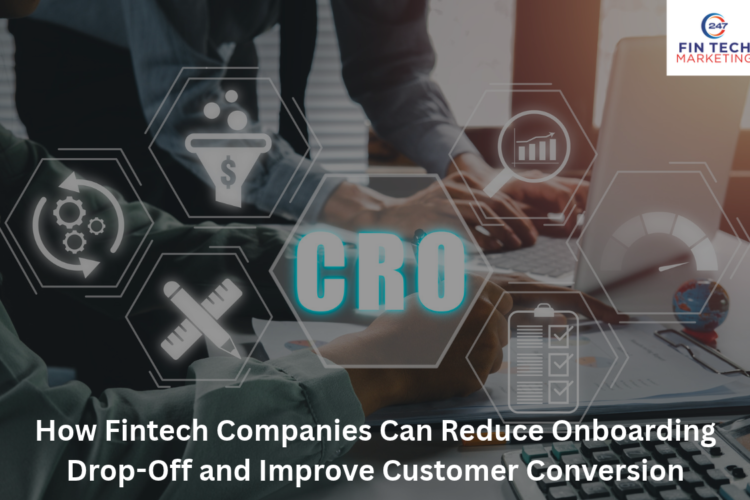
Even a well-ranked page can underperform if visitors struggle to understand what to do next. Conversion optimization helps remove the friction between discovering an insurance product and requesting a quote.
Start by making each landing page’s purpose immediately clear. Explain the product, identify the intended customer, and provide a relevant next step.
Consider these practical improvements:
- Simplify quote forms. Request only the information necessary for the initial step, then collect additional details when needed.
- Prioritize mobile usability. Ensure that forms, buttons, navigation, and quote tools work smoothly on smartphones.
- Explain the process. Tell users what happens after they submit a request and when they can expect a response.
- Address common concerns. Provide clear information about eligibility, coverage limitations, privacy, and potential next steps.
- Test important changes. Compare alternative headlines, form layouts, and calls to action using actual conversion data.
Trust is particularly important when a visitor is asked to provide personal or financial information. Explain how submitted information will be used, protect customer data, and avoid making unsupported promises about savings or approval.
Measuring Acquisition Performance Beyond Website Traffic
A successful SEO strategy should produce meaningful business outcomes, not simply higher visitor numbers.
InsurTech companies should track performance across the entire acquisition funnel, from the initial search to the final policy sale.
Important metrics include organic search clicks, qualified leads, quote completion rates, lead-to-policy conversion rates, customer acquisition cost, and revenue generated from acquired customers.
For example, a landing page that attracts fewer visitors but generates more completed applications may be more valuable than a high-traffic article that produces little commercial interest.
Connect website analytics with customer relationship management systems and policy sales data wherever possible. This makes it easier to understand which keywords, landing pages, and acquisition channels generate customers rather than unqualified inquiries.
Use these insights to prioritize pages that attract the right audience, improve underperforming quote journeys, and allocate marketing resources more effectively.
Choosing the Right SEO Partner for InsurTech Growth
For companies competing in the US insurance market, choosing an experienced SEO partner can make a meaningful difference. Insurance is a competitive and trust-sensitive industry, so a general approach to search marketing may not address its specific challenges.
When evaluating potential agencies, look for experience in financial services marketing,
technical SEO, search intent analysis, conversion optimization, and analytics implementation. Working with the Best Financial SEO Agency in US can help InsurTech businesses develop a targeted search strategy that attracts qualified prospects and supports sustainable growth.
A capable partner should understand how to build useful insurance landing pages, develop location-specific content where appropriate, and improve visibility for customers searching for particular policy types. It should also recognize the importance of accurate coverage information, licensing requirements, privacy, and regulatory compliance.
Ask prospective agencies how they measure success. Their reporting should connect rankings and organic traffic with qualified leads, completed quotes, customer acquisition costs, and policy sales whenever the necessary data is available.
Avoid guarantees of specific rankings or unrealistic promises of immediate growth. Sustainable results depend on competition, website quality, market demand, and consistent execution.
Conclusion: Turning Relevant Searches into Policy Sales
Customer acquisition in InsurTech is not simply about appearing at the top of search results. It is about understanding what prospective policyholders need, providing useful information, and making it easy for them to take the next step.
Local SEO helps eligible businesses reach relevant audiences, while intent-based keyword targeting connects customers with pages that match their stage of decision-making. Trustworthy educational content, effective landing pages, and accurate performance tracking help turn that visibility into measurable business opportunities.
InsurTech companies that continually refine their search strategy around customer needs can build stronger digital relationships and create a more reliable path from the first search to the final policy purchase. The strongest approach combines visibility with credibility, a smooth customer experience, and a clear understanding of which marketing activities generate results.